
Diabetic Foot Protection
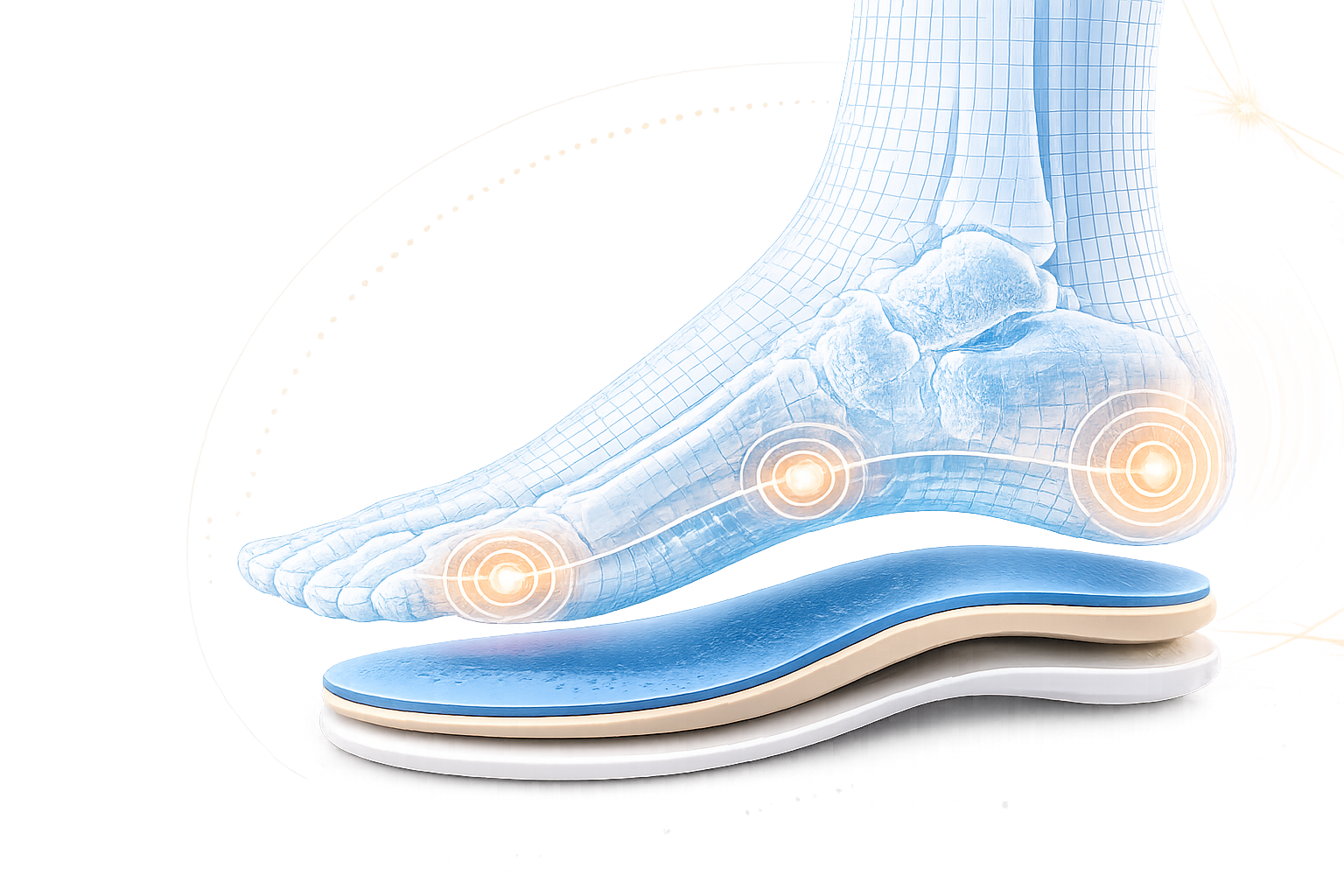
PROTECTION THAT MOVES WITH YOU
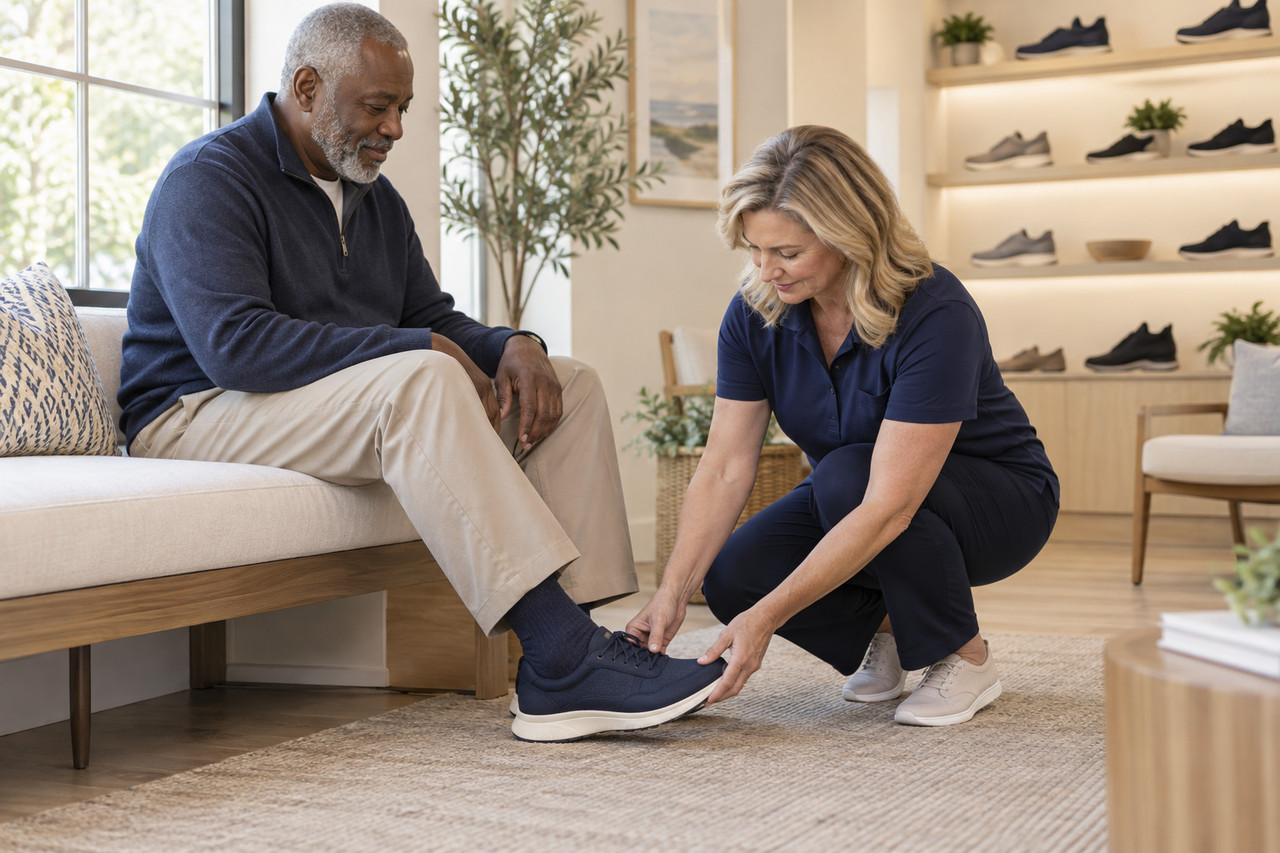
Living with diabetes means having an increased risk of foot complications. Your feet need more than ordinary shoes. You need diabetic footwear that helps to prevent injuries, reduces pressure points, and keeps you moving comfortably all day.
Our foot protection solutions are designed to help reduce pressure points, protect sensitive feet, and improve comfort to support overall foot health.
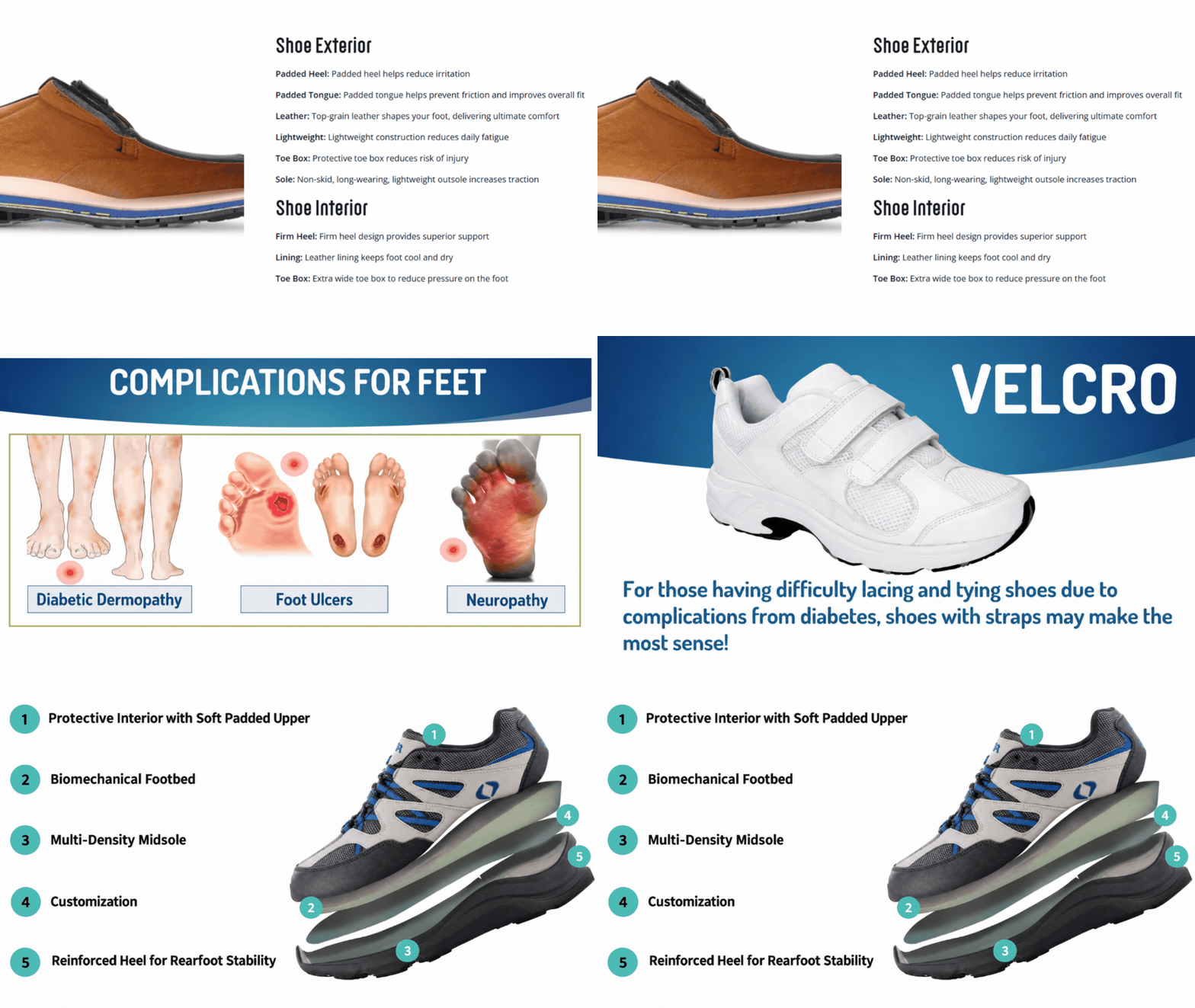
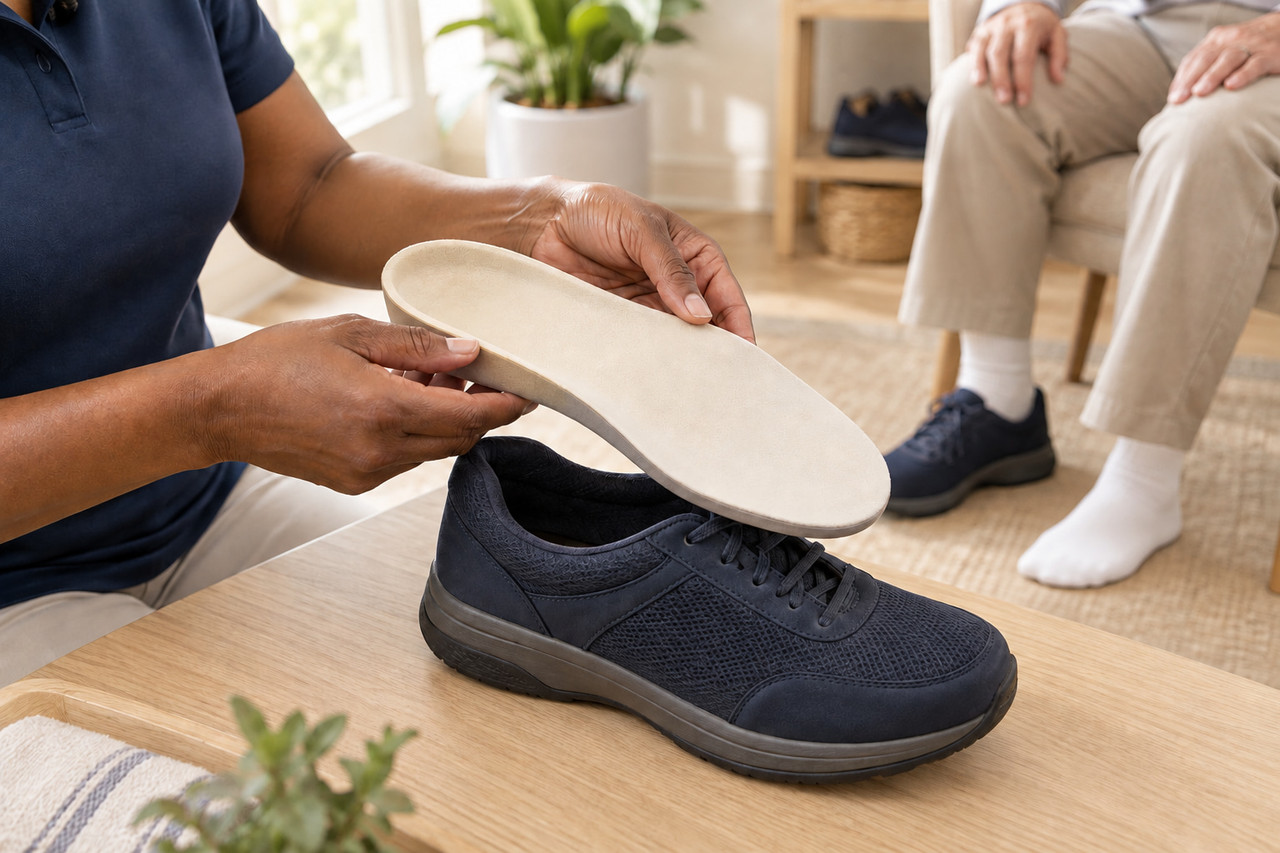
Our shoes address the real challenges you face; nerve damage reduces sensation and poor circulation slows healing. Swollen feet change throughout the day. The extra depth accommodates custom orthotics and swelling, seamless interiors, and cushioned support protect sensitive feet from skin breakdown and foot ulcers, while the wide toe box prevents pressure on vulnerable areas. The slip resistant outsoles provide stability when neuropathy affects balance.
Understand Your Risk. Protect Your Feet.
Why Diabetes Matters
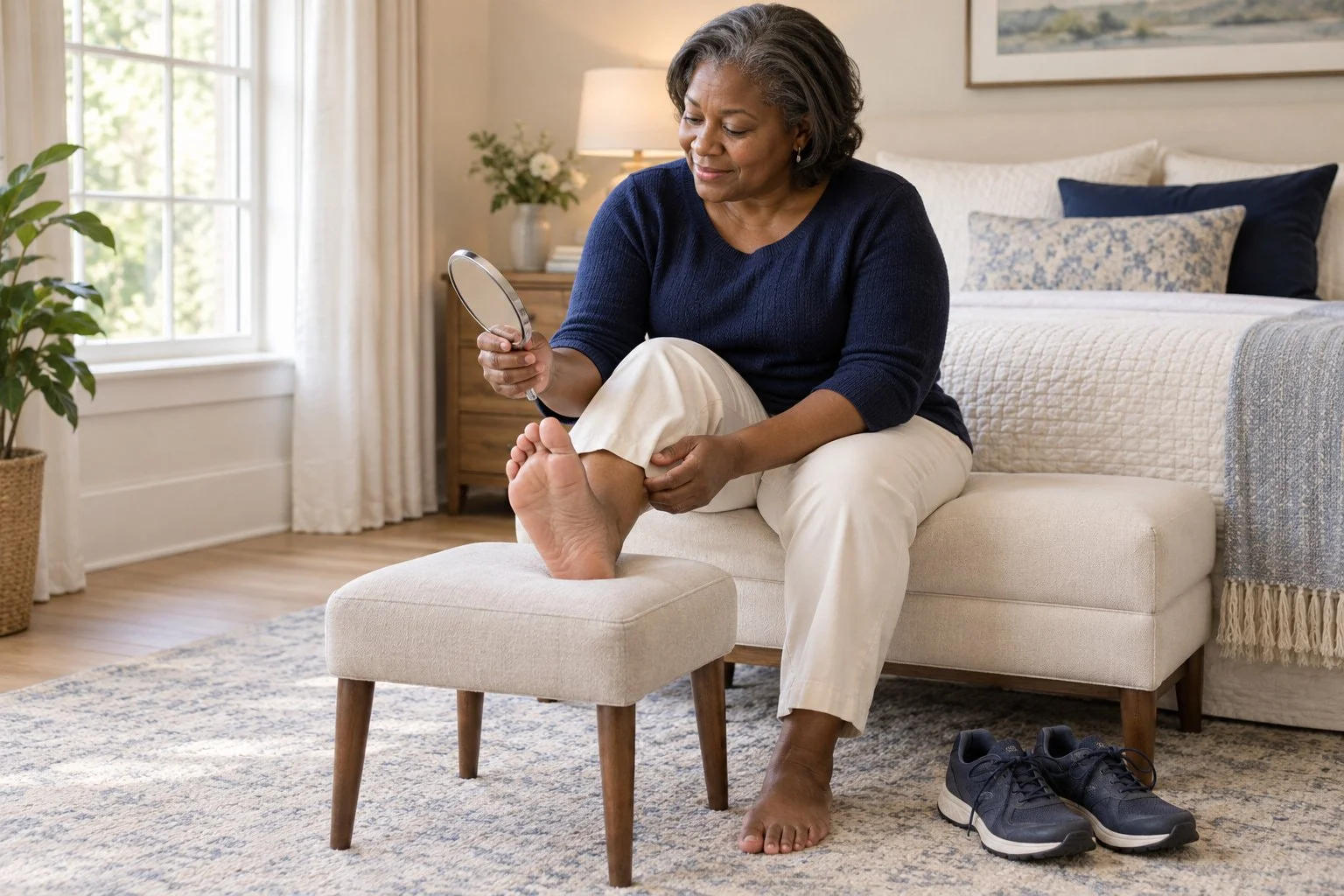
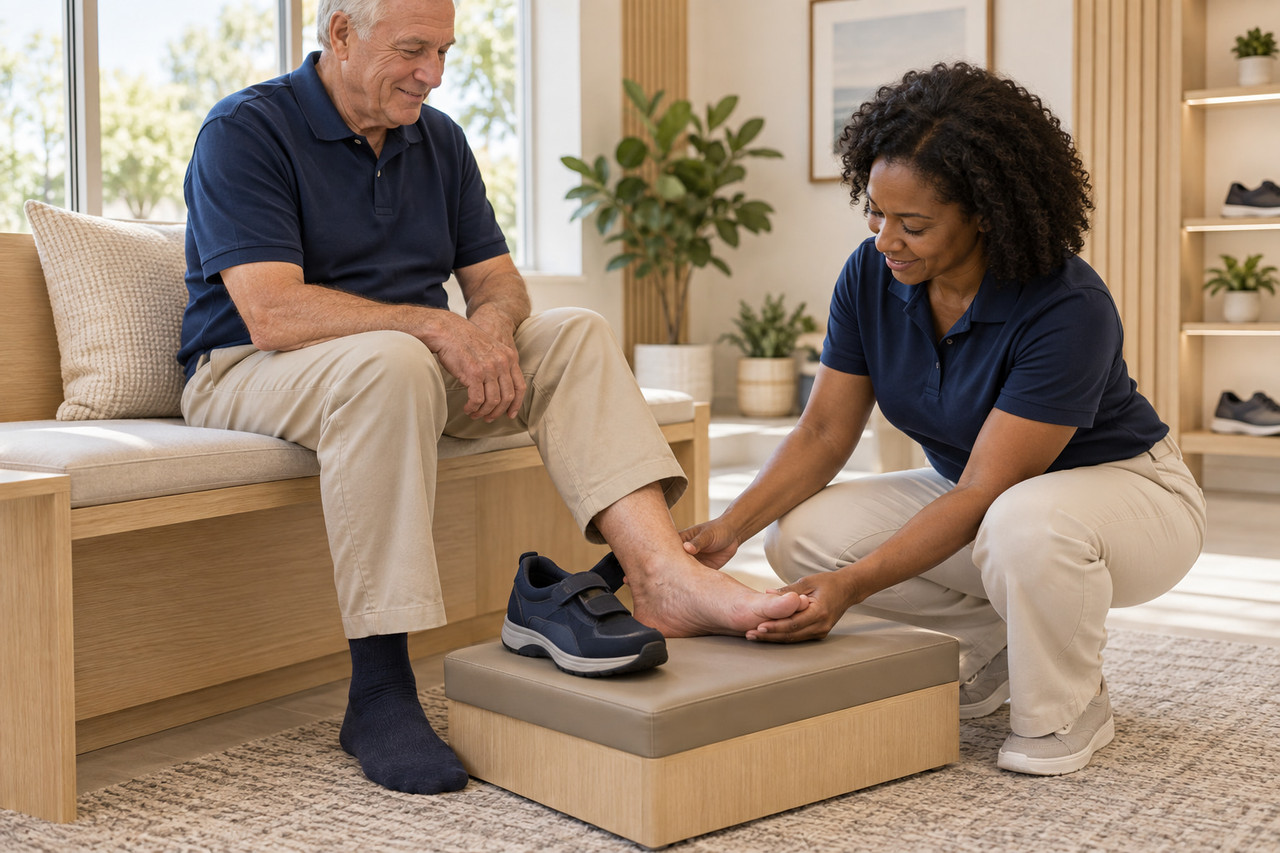
Diabetes can affect sensation, circulation and healing. Small areas of pressure, friction or skin change may develop without much warning. Regular foot checks, properly fitted footwear and the right level of support help protect your feet before a small problem becomes a larger one.
When to contact your healthcare provider
Contact your healthcare provider promptly for a new cut, blister, sore, redness, warmth, swelling, drainage, color change or a foot that changes shape. Carter Foot Lab supports footwear and devices; we do not diagnose or treat wounds.
Common Foot Concerns
Neuropathy Nerve damage can cause tingling, burning, numbness or a reduced ability to feel injury and temperature.
Poor Circulation (PAD) Reduced blood flow can slow healing and make infection harder to fight.
Loss of Protective Sensation Reduced feeling may allow cuts, blisters and pressure areas to go unnoticed.
Pressure Points & Ulcers Repeated pressure or friction can damage skin and may develop into an open sore.
High-Risk Foot Changes Charcot changes, bunions, hammertoes, previous ulcers or amputations, and other deformities can create concentrated pressure and fit challenges.
 tap for info
 tap for info
 tap for info