Stability & Alignment Support

STRONGER FOUNDATION. STRONGER YOU.

All our feet behave slightly differently, and although there is no one “correct” way to move, foot imbalances don't just affect the foot itself; they can potentially impact the entire body. Our body is a kinetic chain of interconnected parts where the feet and ankles form the foundation of this chain. For example, a misalignment in ankle requires shin, knee, hip, pelvis, and back to compensate. This can negatively affect the rest of the kinetic chain leading to discomfort, injury, or pain. 

Conditions such as overpronation, flat feet, high arches, or muscle imbalances can reduce stability, alter walking mechanics, and contribute to discomfort over time. If you have misalignment in your feet, even the right-sized shoe without the features that support your own foot type and gait can become the wrong choice.

The Good News? Improving stability often begins with the right combination of properly fitted footwear and support.
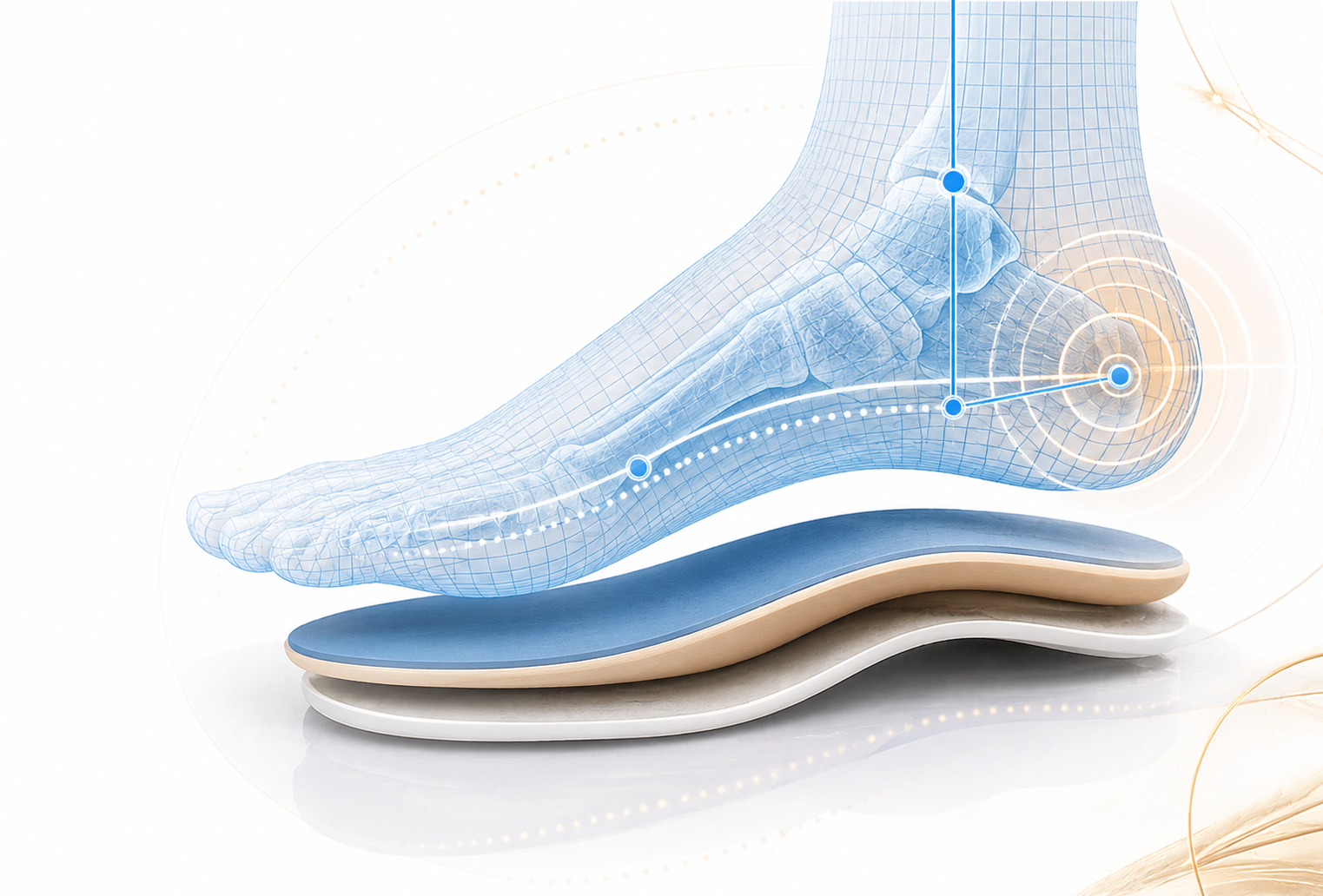
Stability & Alignment — CFL

Stability & Alignment

Foot shape, strength and walking patterns all play a part in how you move. Tap or hover a photo to see what it means, what can contribute, and what may help.
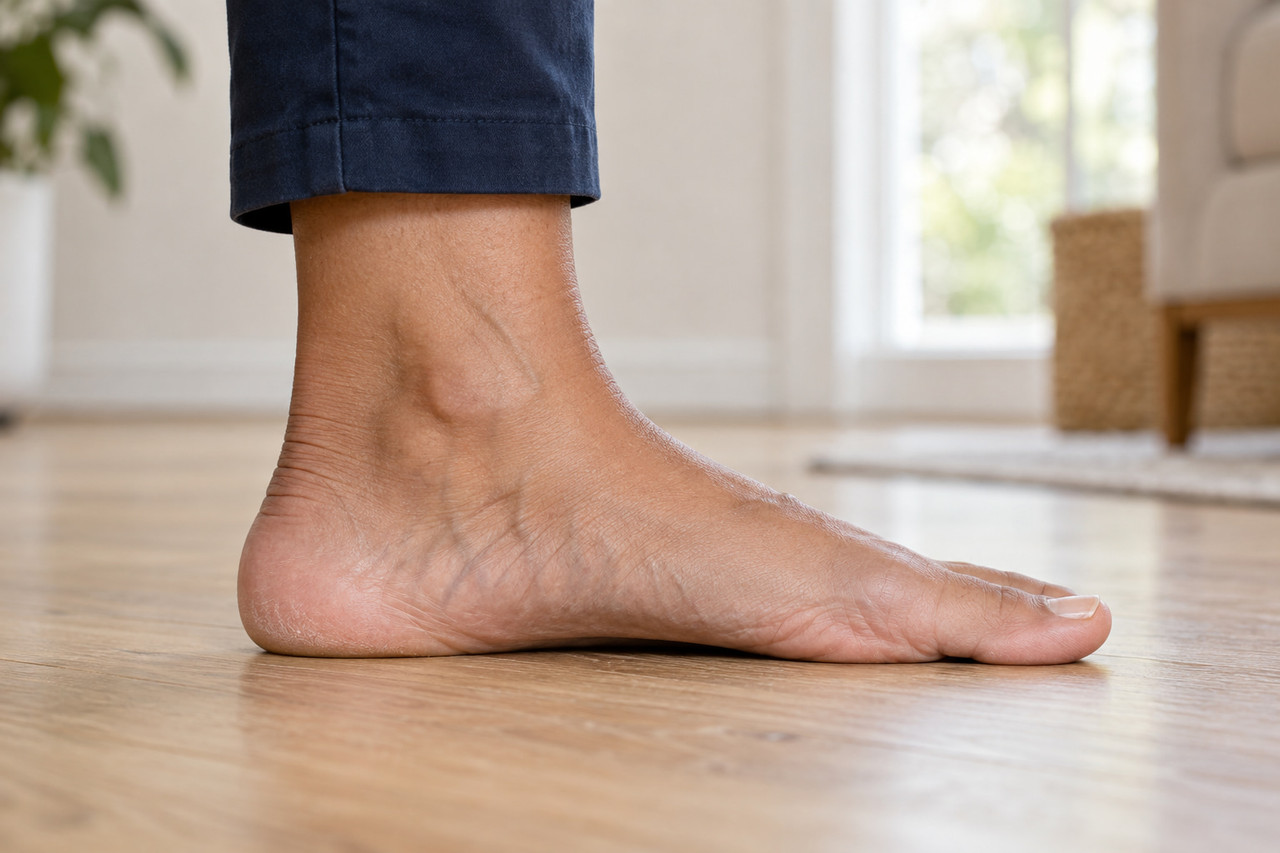

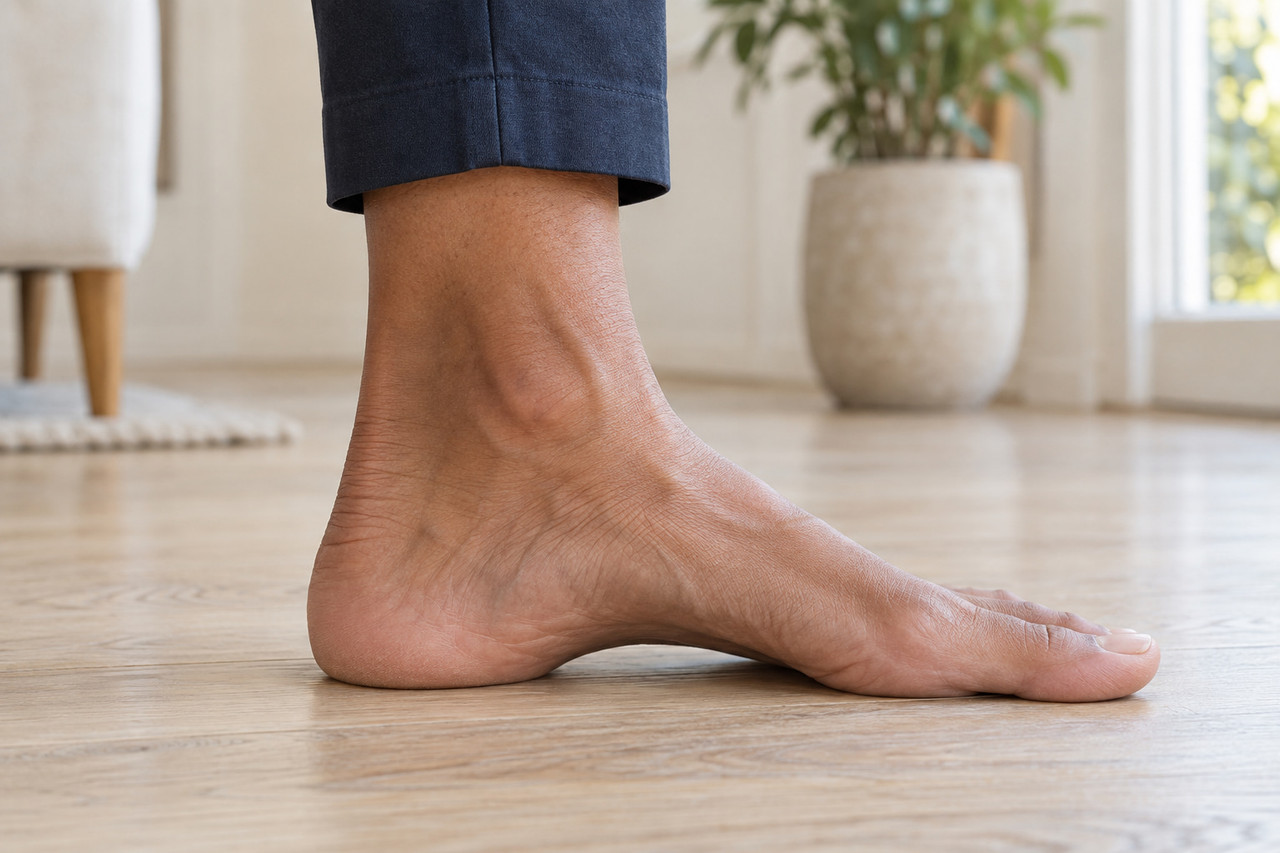
flat feet standing on wood floor tap for info
1 What it isLow arches when standing. Some feet stay comfortable; others develop fatigue or strain.
2 What can contributeInherited foot structure, flexible joints, or changes in the tendons supporting the arch.
3 What may helpWhen symptoms occur, supportive footwear, fitted insoles or orthoses, and guided strengthening may help.

Flat Feet

high arch foot standing on wood floor tap for info
1 What it isArches that sit unusually high and can concentrate pressure at the heel and forefoot.
2 What can contributeInherited foot shape, or muscle and nerve conditions that affect foot position.
3 What may helpCushioned footwear and pressure-distributing orthoses may help. New or worsening arch changes need medical evaluation.

High Arches

person standing at counter for balance tap for info
1 What it isUneven muscle strength or flexibility can affect how your feet, ankles and legs support movement.
2 What can contributePrevious injury, inactivity, repetitive demands, or muscle and nerve conditions.
3 What may helpFootwear and orthoses can support movement. A physical therapist can guide strengthening, flexibility and balance work.

Muscle Imbalances

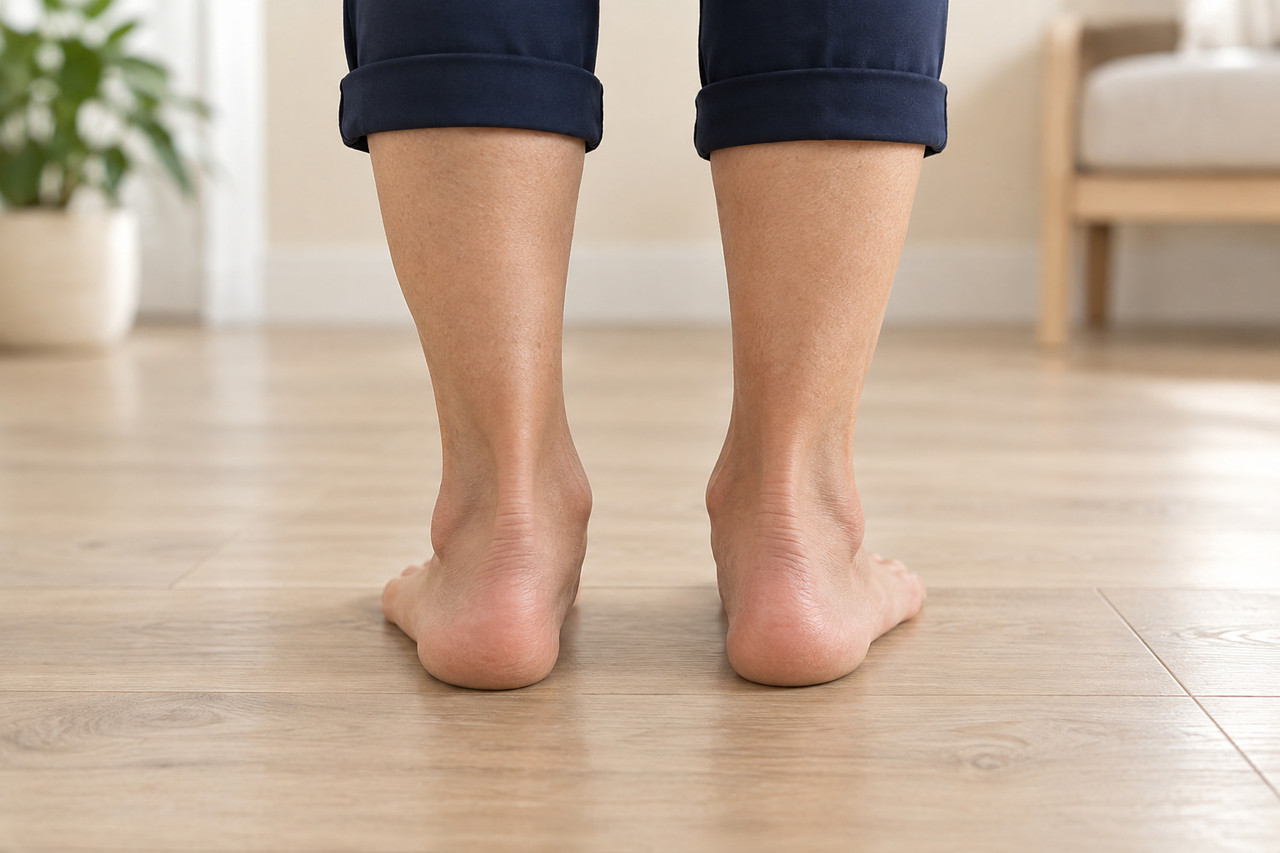
heels overpronation from behind tap for info
1 What it isExcess inward rolling during walking that can increase strain around the foot and ankle.
2 What can contributeFoot structure, flexible arches, changes in tendon support, and increased loading.
3 What may helpStable footwear, fitted arch support, and targeted exercises may help when symptoms are present.

Overpronation

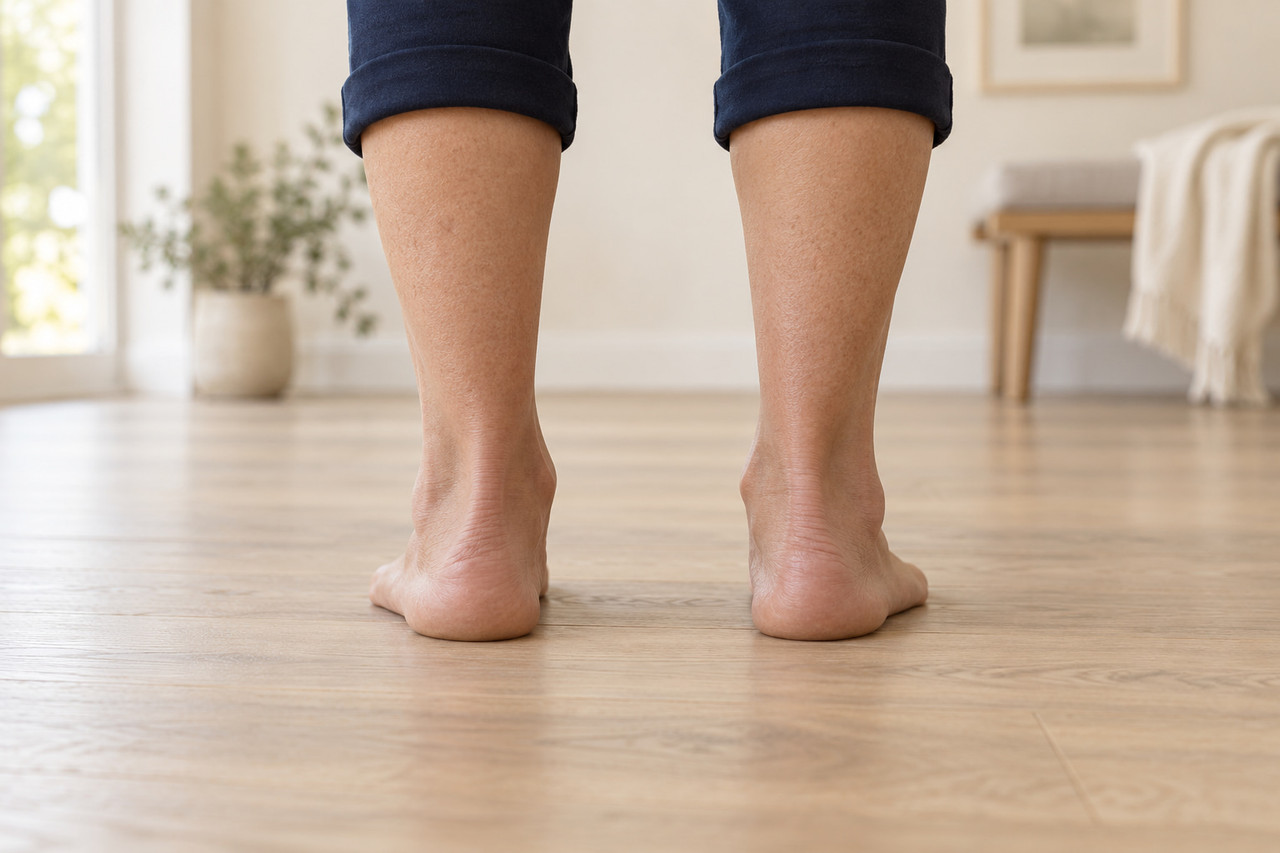
heels supination from behind tap for info
1 What it isToo little inward roll during walking, leaving more load along the foot's outer edge.
2 What can contributeHigh or rigid arches, inherited foot structure, and muscle or joint limitations.
3 What may helpCushioned footwear, pressure-distributing insoles or orthoses, and guided balance and strength work may help.

Supination

Underpronation

person walking with clinician observing gait tap for info
1 What it isChanges in step length, timing or foot placement that can make walking less comfortable or steady.
2 What can contributePain, stiffness, weakness, previous injury, poorly fitting footwear, or neurological conditions.
3 What may helpGait assessment can help identify support needs. New or worsening walking changes need medical evaluation.

Abnormal Walking Mechanics

Find support for the way you move.

Book Your Appointment